
 Back to South Activities
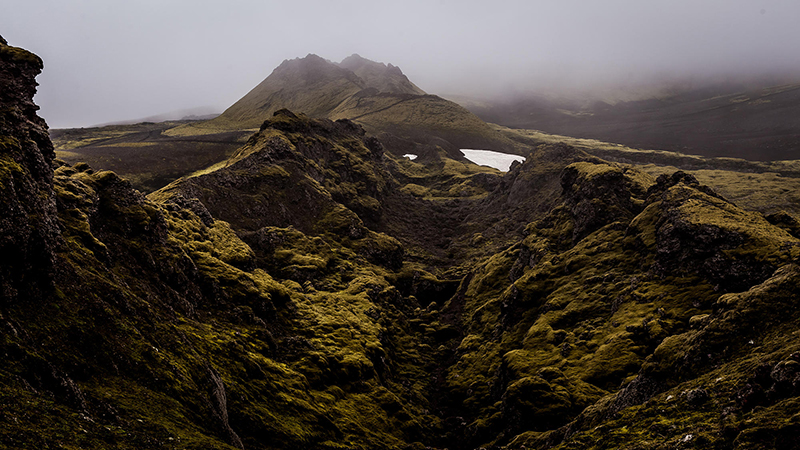
Lakagígar is a row of craters and were formed in one of the world’s largest mixed eruptions in recorded history between June 1783 and February 1874 This continuous series of eruptions emitted an immense quantity of lava and volcanic ash from a fissure stretching 25 km across the area west of the ice cap. The toxic ash spread over most of the country and volcanic mist poisoned the air resulting in diseases in men and livestock as well as crop failures followed by extremely harsh winters. These times are called Móðuharðindin in Icelandic history, or ‘The Hardship of the Mist’. Today most of the craters are covered with moss and the landscape is striking.
The craters are regarded as a globally unique natural phenomenon and are a protected natural monument since 1971.
My visit
Iceland
The cornerstone of Icelandic culture is the Icelandic language, which has spawned a literary tradition that dates back to the ancient Icelandic Sagas. These are tales of violent blood feuds, traditions, family, and character.
ID: 700910-0750 VSK Nr: 106233
MY VISIT ICELAND IS
OPERATED BY FERÐAVEFIR

